Taking medication can be a complex and daunting task, especially for those with multiple prescriptions or chronic conditions. With so many pills to keep track of, it’s easy to get confused or miss a dose. That’s where a medication chart comes in – a simple tool that can help you stay organized and ensure you’re taking your medicines as directed.
A medication chart is essentially a schedule or calendar that lists all of your medications, dosages, and frequencies. It can be a physical chart that you fill out by hand or a digital tool that you access on your phone or computer. Either way, the goal is to provide a clear and concise overview of your medication regimen, making it easier to manage your health and avoid potential complications.
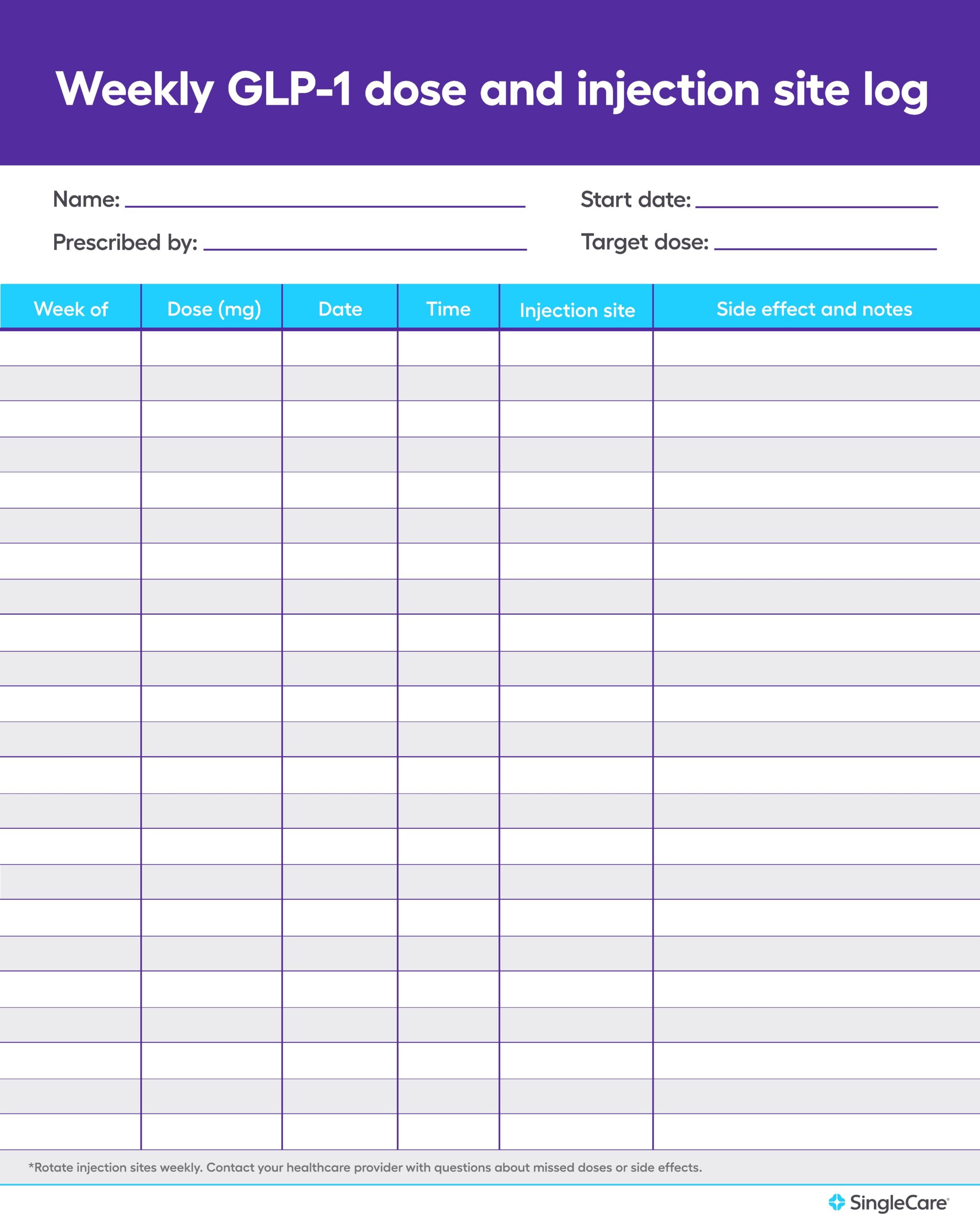
Free Medication List Templates For Patients And Caregivers
Why Create a Medication Chart?
Creating a medication chart is important because it helps you stay on top of your medication schedule, reducing the risk of missed doses or overdoses. By having all of your medication information in one place, you can easily track your progress, identify potential interactions, and make informed decisions about your health. Additionally, a medication chart can be a valuable resource for healthcare providers, pharmacists, and caregivers, ensuring that everyone is on the same page when it comes to your medication regimen.
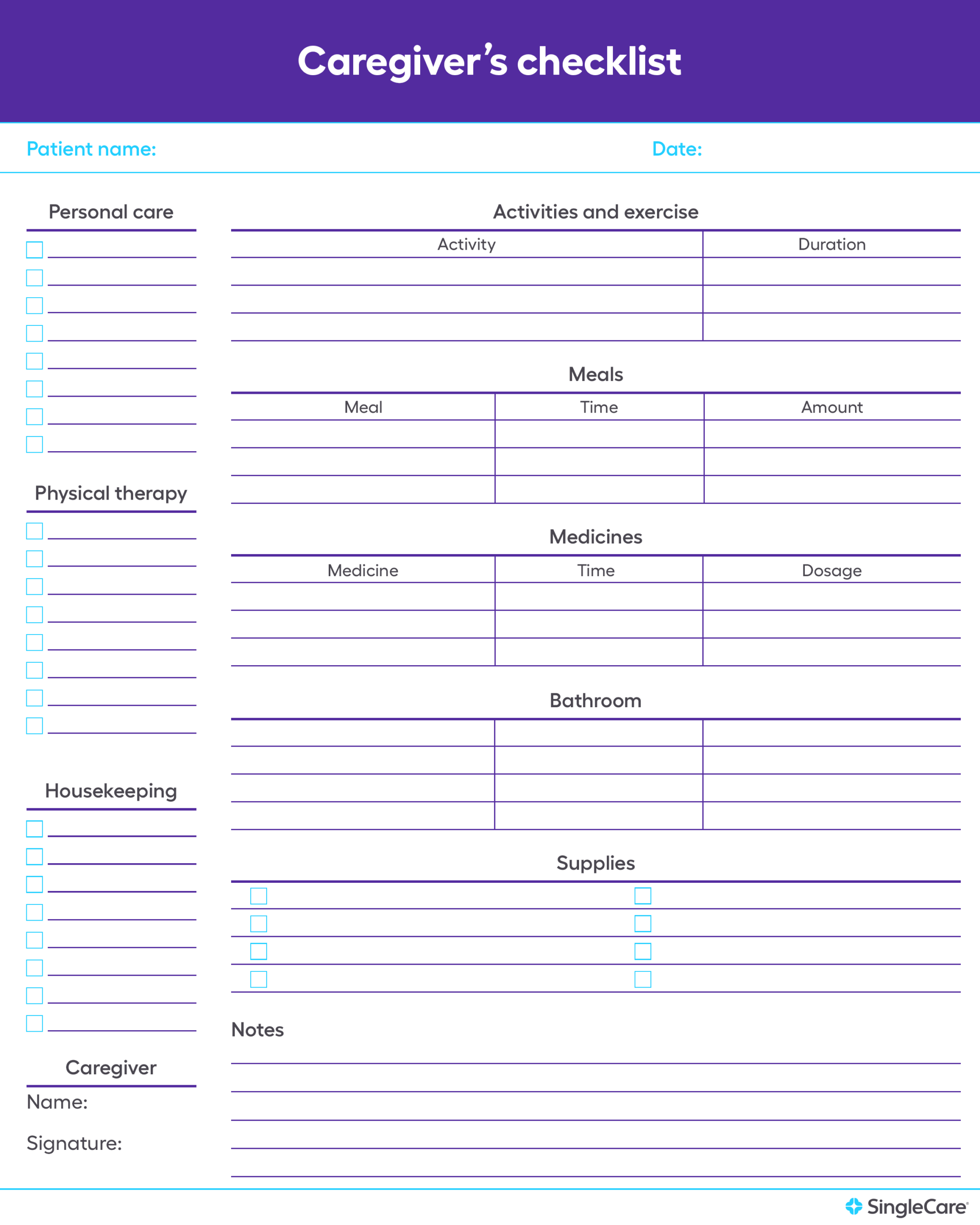
Free Medication List Templates For Patients And Caregivers
What to Include in a Medication Chart
When creating a medication chart, there are several key pieces of information to include. First and foremost, you’ll want to list each medication by name, along with its dosage, frequency, and any special instructions. You may also want to include the reason for taking each medication, as well as any potential side effects or interactions. Other important details might include the time of day to take each medication, any food or drink restrictions, and contact information for your healthcare provider or pharmacist.
Tips for Creating an Effective Medication Chart
To create an effective medication chart, there are several tips to keep in mind. First, make sure to choose a format that works for you, whether that’s a physical chart, a digital app, or a combination of both. You’ll also want to keep your chart up to date, adding new medications or adjusting dosages as needed. It’s also a good idea to review your chart regularly, checking for any potential errors or inconsistencies. Finally, consider sharing your chart with a trusted friend or family member, in case of an emergency or if you need help managing your medications.
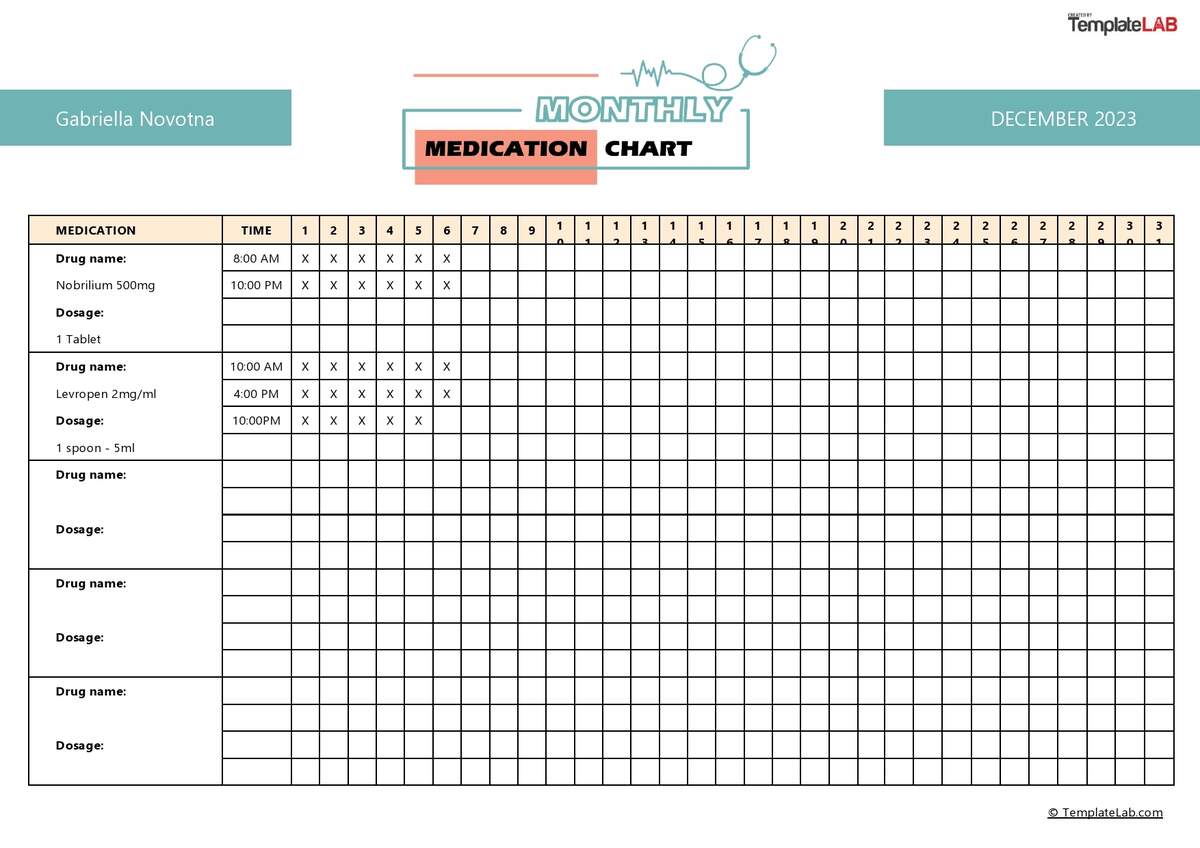
40 Great Medication Schedule Templates Medication Calendars
By following these tips and creating a medication chart, you can take control of your medication regimen and improve your overall health. Remember to stay organized, stay informed, and don’t hesitate to reach out for help if you need it. With a little practice and patience, you can master the art of creating a medication chart and enjoy the peace of mind that comes with knowing you’re taking care of your health.
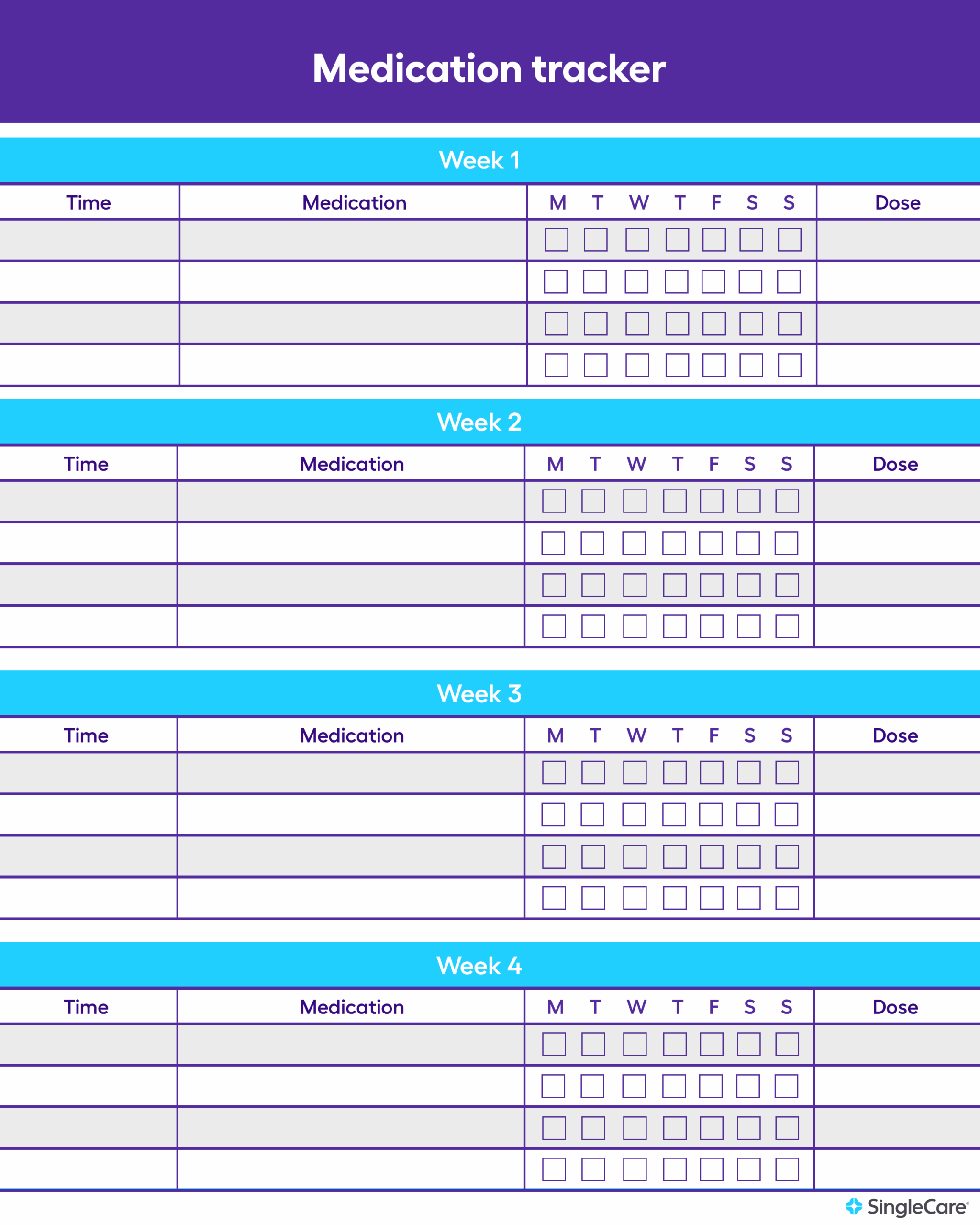
Free Medication List Templates For Patients And Caregivers
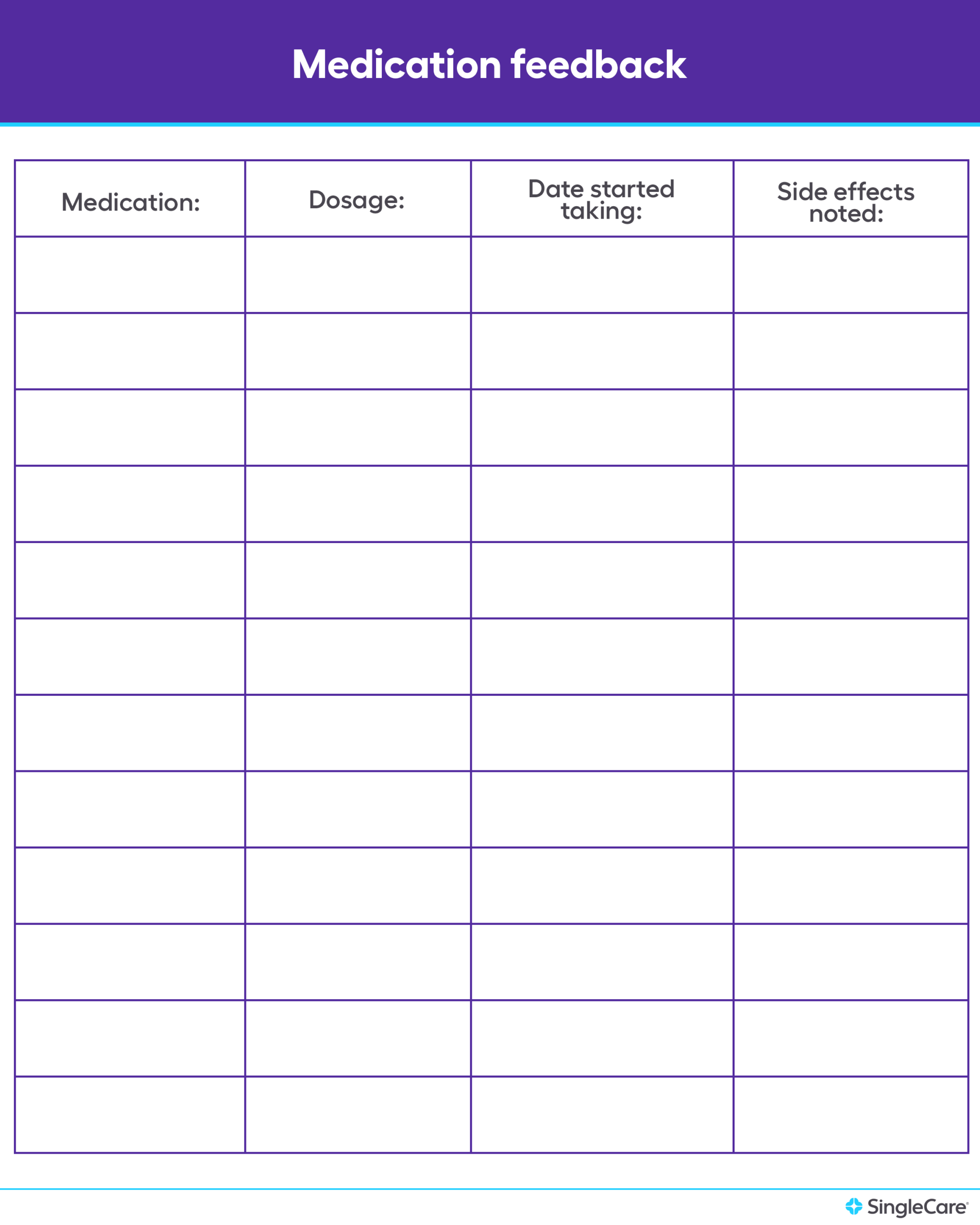
Free Medication List Templates For Patients And Caregivers