Place value is a fundamental concept in mathematics that helps students understand the relationship between numbers and their position in a numerical value. For second-grade students, mastering place value is crucial as it lays the foundation for more complex math concepts. A place value chart is a useful tool that can help students visualize and understand this concept better. It is a table or chart that shows the place value of each digit in a number, making it easier for students to identify and work with numbers.
In the second grade, students are introduced to multi-digit numbers and are expected to perform basic arithmetic operations such as addition and subtraction. A place value chart can be an invaluable resource for students to learn and practice these skills. By using a place value chart, students can develop a deeper understanding of how numbers are constructed and how to manipulate them. This, in turn, can help build their confidence and fluency in math, setting them up for success in higher grades.
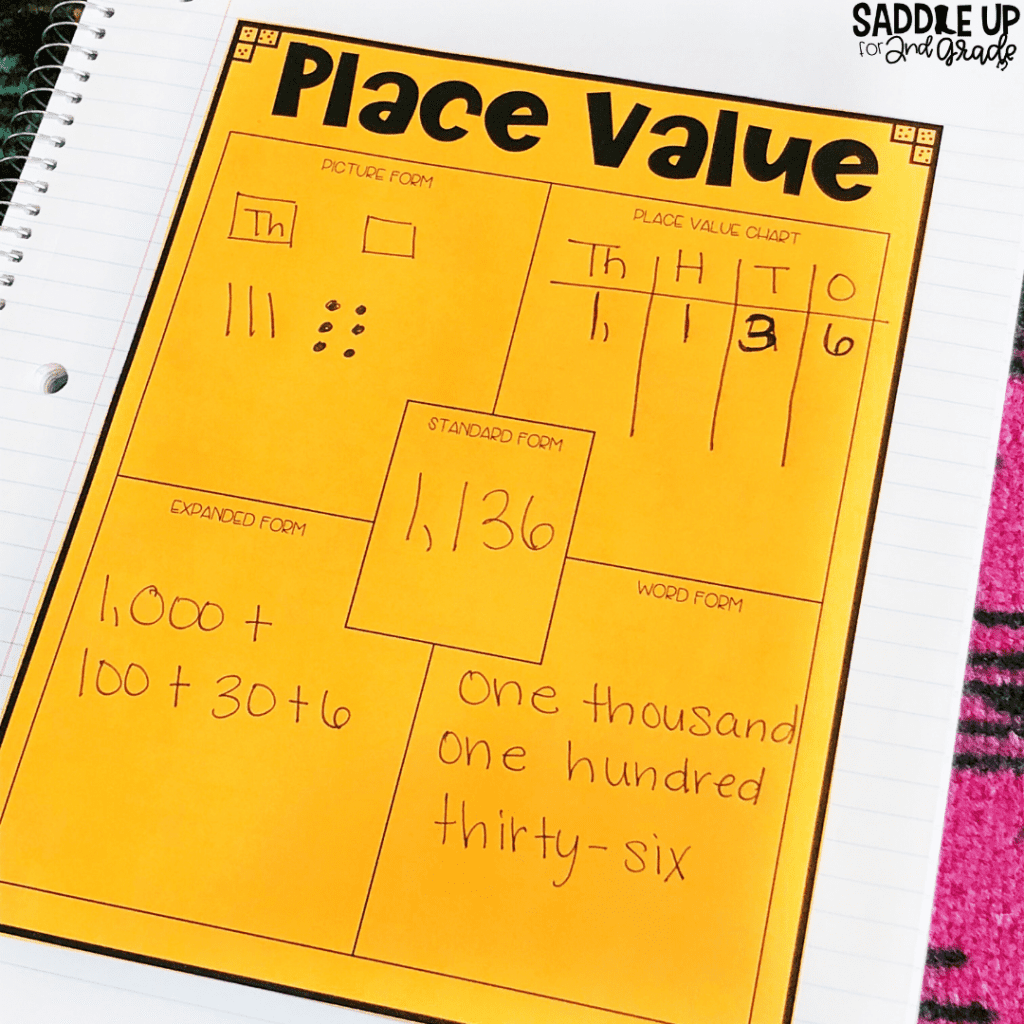
2nd Grade Place Value Activities
Understanding Place Value Charts
A place value chart is essentially a table that shows the place value of each digit in a number. It is usually divided into columns, with each column representing a different place value, such as ones, tens, hundreds, and so on. By using a place value chart, students can see how each digit contributes to the overall value of a number. This can help them understand concepts such as regrouping and borrowing, which are essential for performing arithmetic operations. Understanding place value charts is the first step towards mastering this concept and improving math skills.
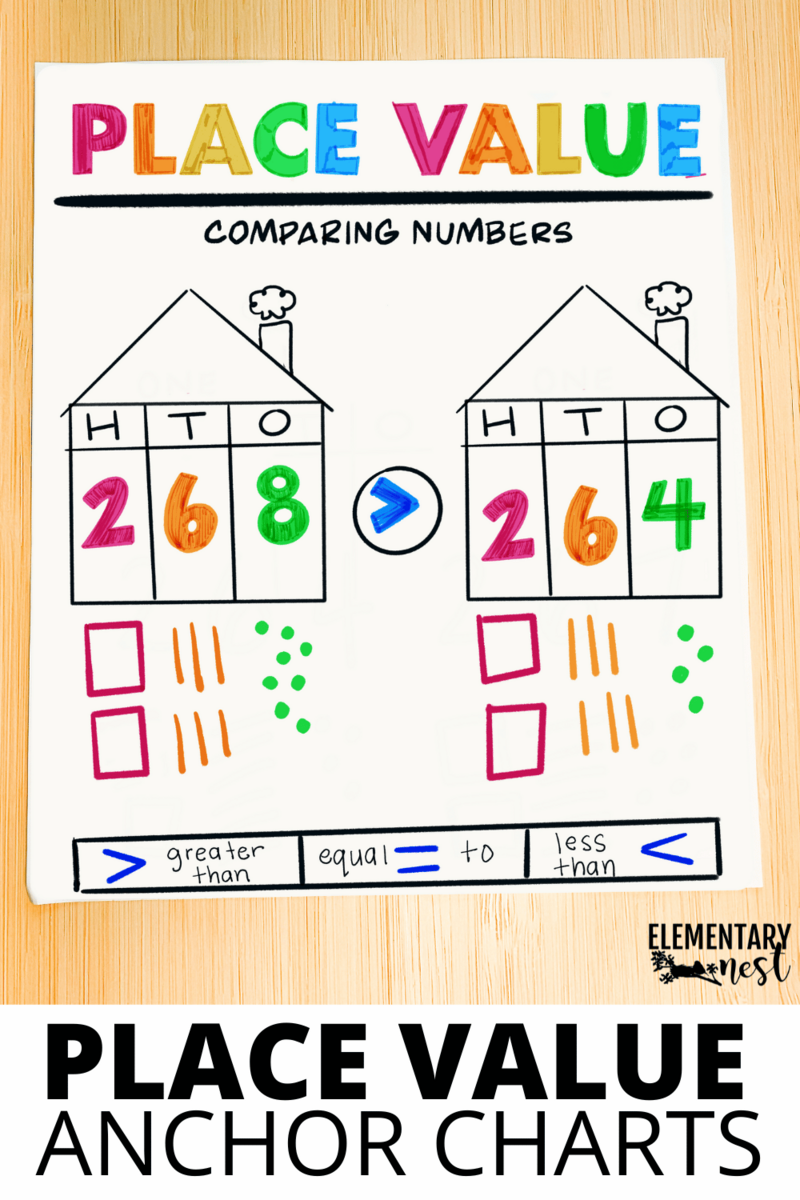
8 Great Anchor Charts For Your Place Value Unit
Creating a Place Value Chart for Second Grade
Creating a place value chart for second-grade students is relatively simple. Teachers or parents can use a piece of paper or a whiteboard to draw a table with columns representing different place values. The chart can be customized to fit the needs of the student, with the number of columns and rows depending on the complexity of the numbers being used. For example, a basic place value chart for second grade might have three columns: ones, tens, and hundreds. By creating a place value chart, teachers and parents can provide students with a valuable tool to help them learn and practice math concepts.
Using Place Value Charts to Enhance Math Skills
Using place value charts to enhance math skills is an effective way to help second-grade students develop a deep understanding of numerical concepts. By practicing with a place value chart, students can improve their ability to identify and work with numbers. The chart can be used to demonstrate concepts such as addition and subtraction, and to help students visualize how numbers change when these operations are performed. Additionally, place value charts can be used to play math games and activities, making learning fun and engaging for students.
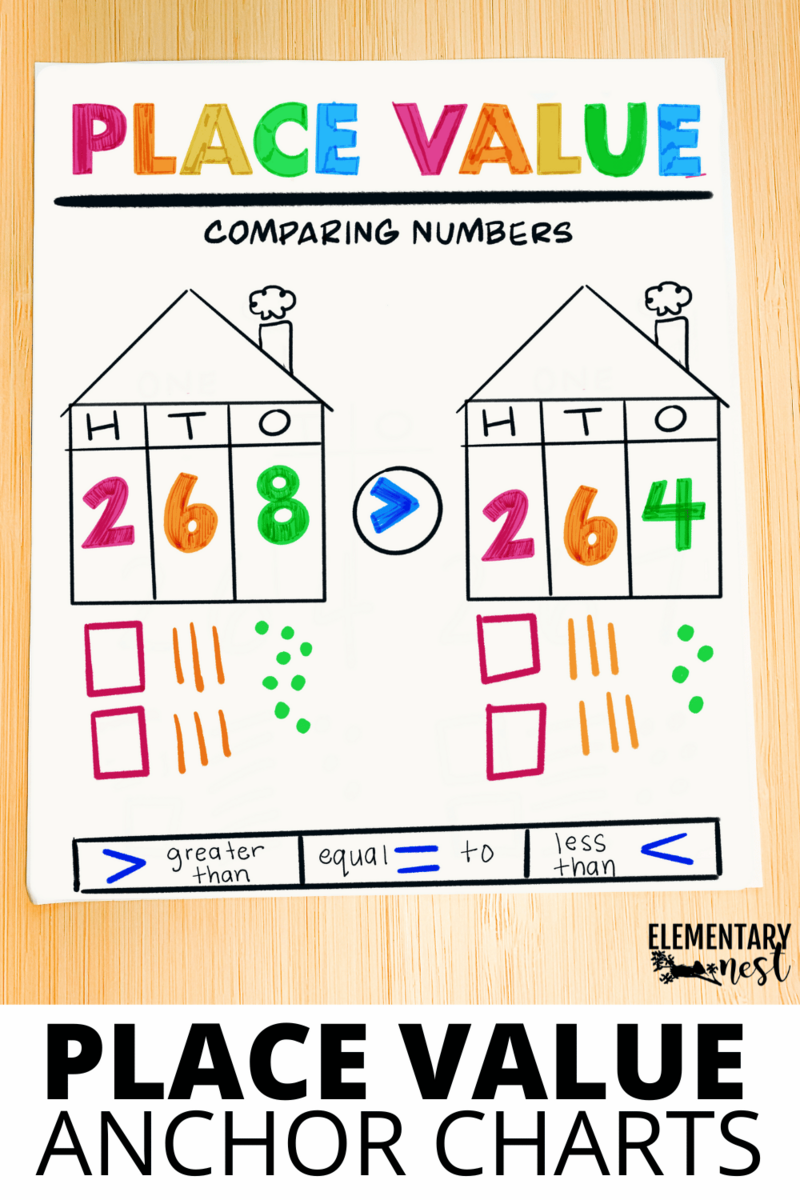
8 Great Anchor Charts For Your Place Value Unit
In conclusion, place value charts are a powerful tool for teaching second-grade students about numerical concepts. By understanding how to create and use a place value chart, teachers and parents can provide students with a valuable resource to help them master math skills. With practice and patience, students can develop a deep understanding of place value and build a strong foundation for future math success. Whether you are a teacher, parent, or student, mastering place value charts can make a significant difference in math education and set students up for success in all areas of mathematics.
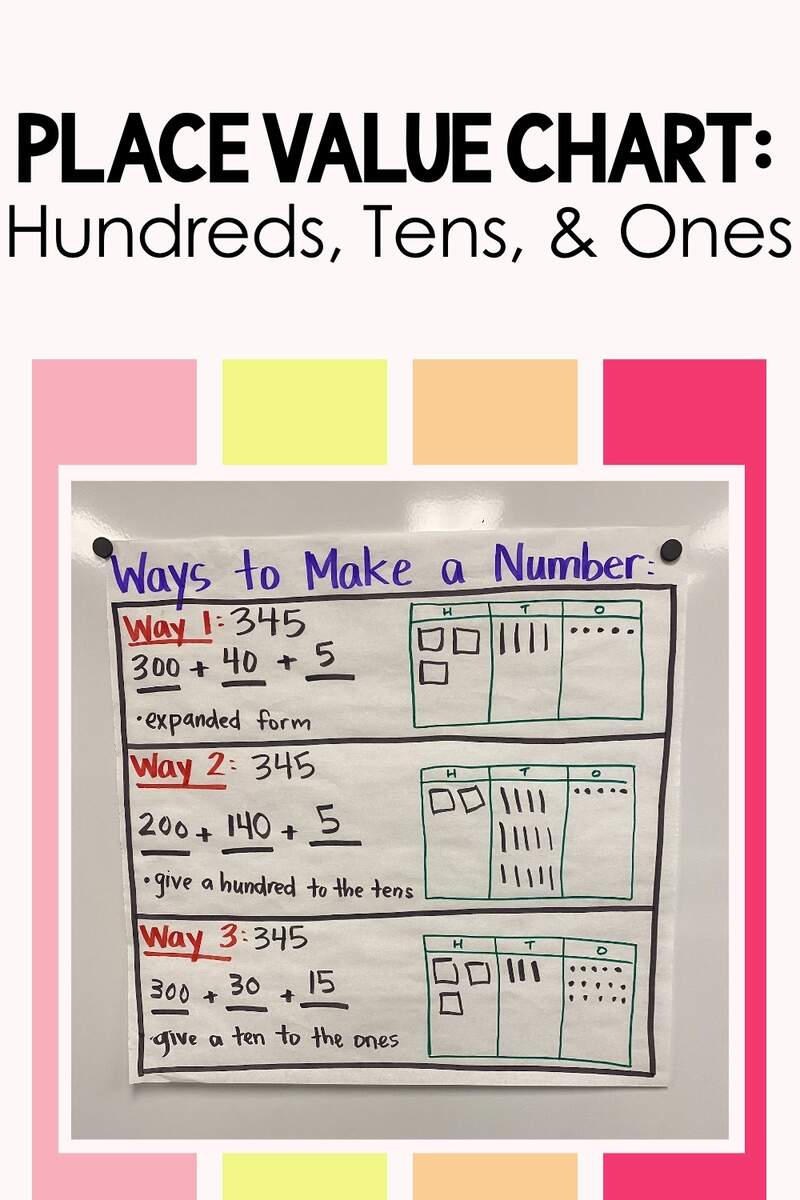
The Place Value Chart Example You Ve Got To Use With Your 2nd Grade Students Teaching With Kaylee B
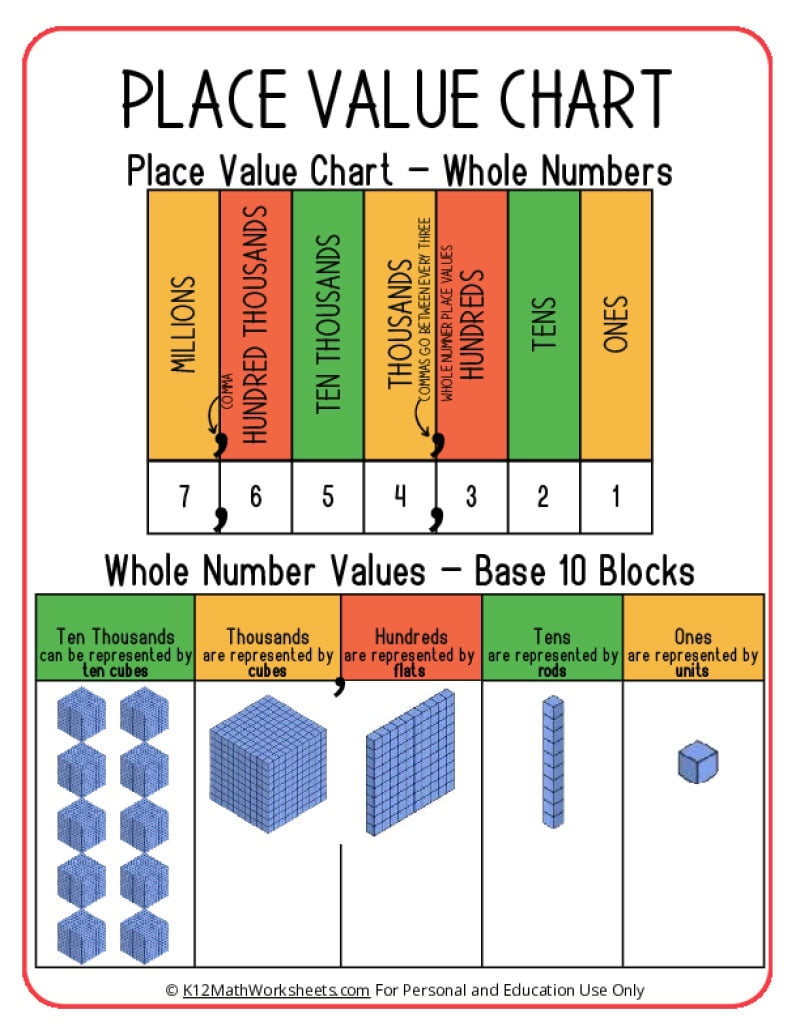
Place Value Charts K12 Math Worksheets